👗 Fashion
How to spot greenwashing in fashion
Vague labels, hidden plastics, and the questions that cut through the marketing.
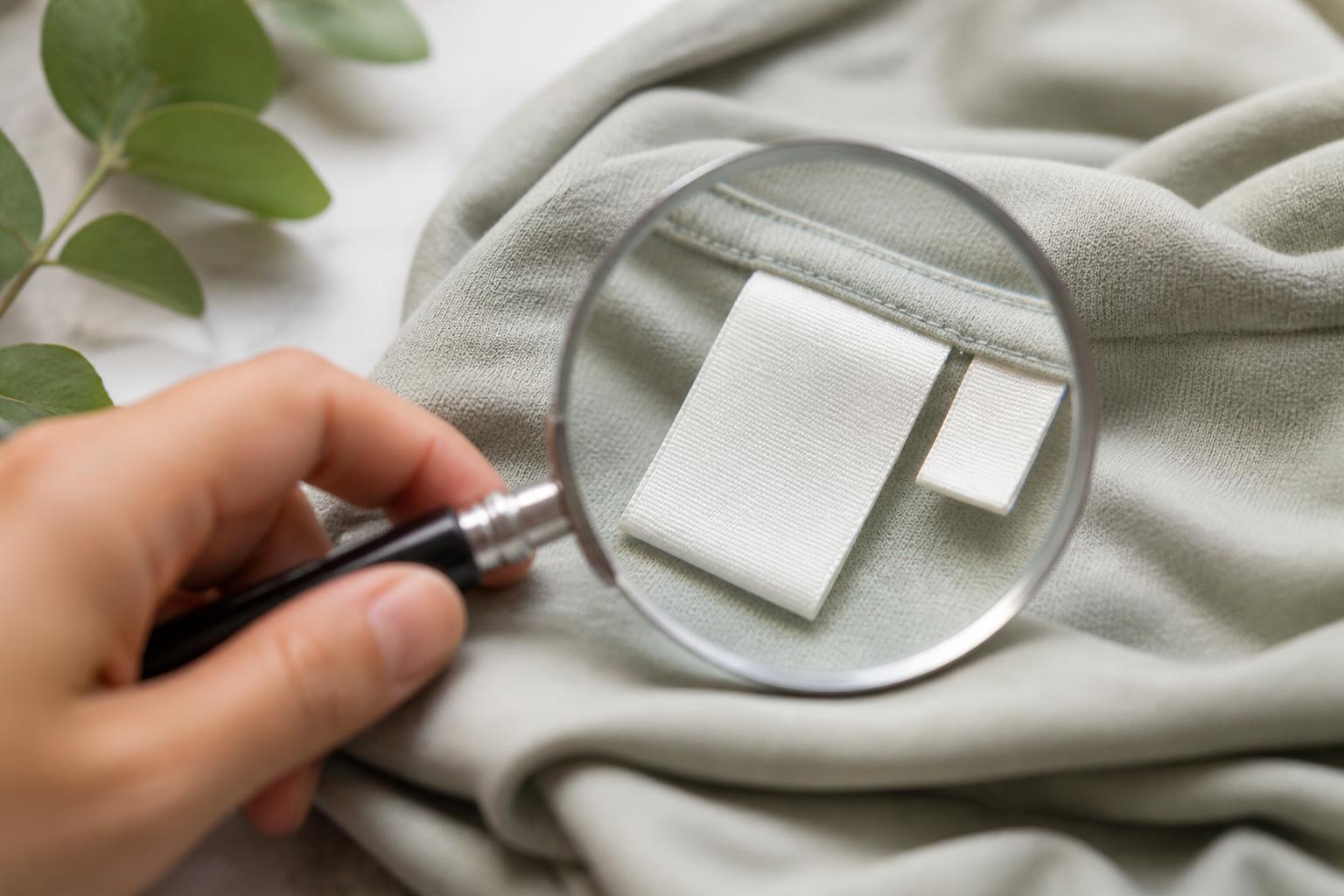
Sustainability has become one of fashion's biggest buzzwords
Walk into almost any store and you'll see labels like eco-friendly, conscious, green, natural or planet positive. But these terms often have no legal definition and can be used even when a brand has made only minor environmental improvements.
That's where greenwashing comes in.
Greenwashing is when a company markets itself as more ethical or sustainable than it really is. Sometimes it's intentional. Sometimes it's simply clever marketing that leaves out important context. Either way, it makes it harder for consumers to make informed choices.
The good news is that once you know what to look for, it's surprisingly easy to separate genuine progress from good advertising.
1. Be wary of vague claims
Words like eco-friendly, green, sustainable, ethical, natural and planet conscious sound impressive but often mean very little on their own.
A trustworthy brand should explain why a product is more sustainable. For example:
- Is it made from organic cotton?
- Does it contain recycled materials?
- Is it manufactured using renewable energy?
- Has water or chemical use been reduced?
- Is there an independent certification to support the claim?
If the brand only uses feel-good language without providing evidence, that's a red flag.
2. Look beyond the "sustainable collection"
Many fast fashion brands now have a "conscious", "eco" or "responsible" collection. While these products may include some better materials, they often make up only a tiny fraction of the company's overall business.
Ask yourself:
- What percentage of the brand's products are actually more sustainable?
- Are they improving the whole business or just creating a small marketing collection?
One greener collection doesn't automatically make an entire company sustainable.
3. Check the materials
Brands often highlight a single sustainable material while ignoring everything else. For example:
- "Made with recycled polyester."
- "Contains organic cotton."
- "Crafted with plant-based leather."
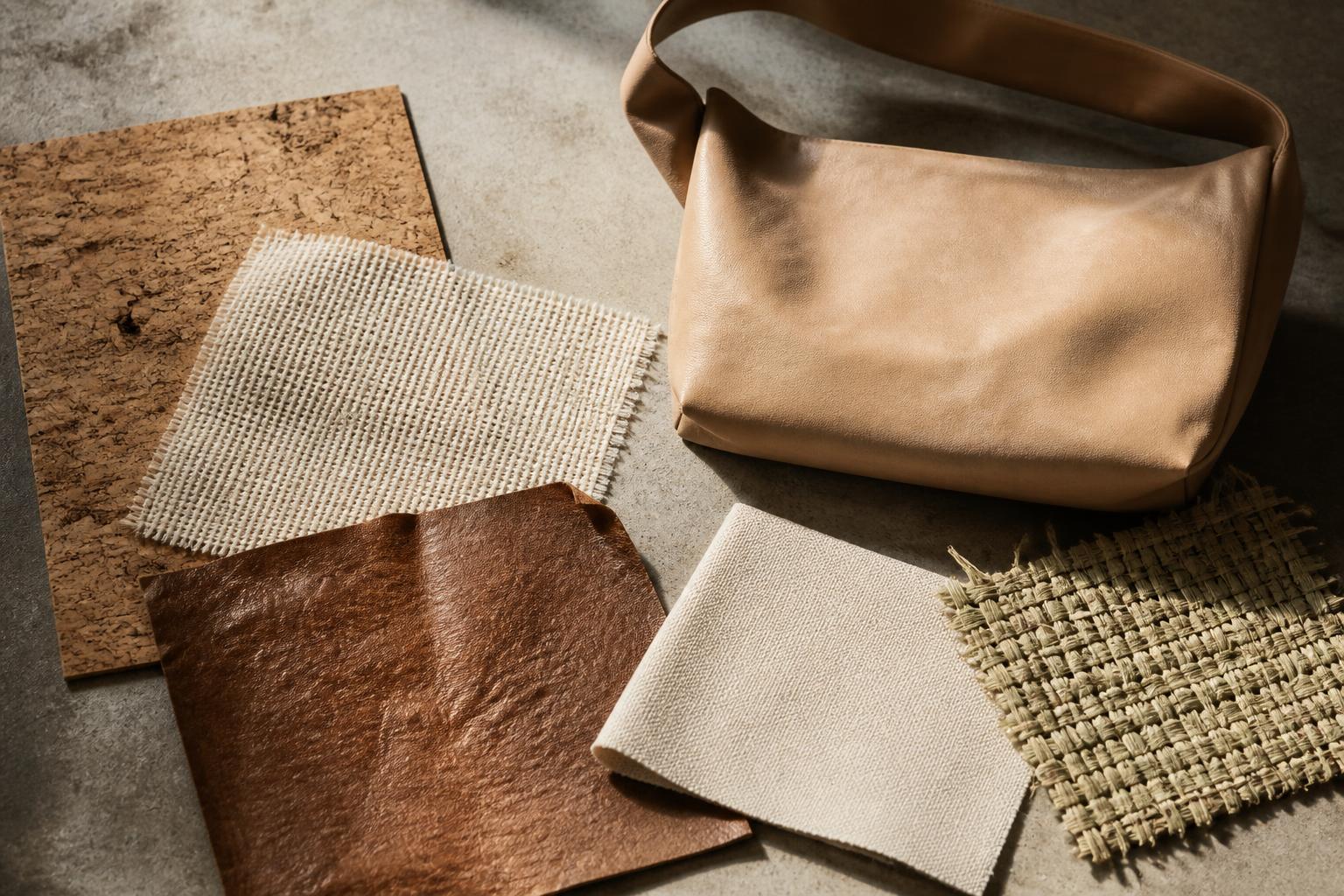
Read the details. A product may contain only a small percentage of that material while the rest is made from conventional fibres or plastics. The more transparent a brand is about material composition, the better.
4. Transparency matters
One of the easiest ways to judge a brand is by how much information it shares.
Responsible brands usually explain:
- where their products are made
- what materials they use
- who manufactures them
- their environmental goals
- their progress, including areas where they still need to improve
Brands that only talk about aesthetics and marketing but reveal very little about their supply chain deserve extra scrutiny.
5. Certifications can help
Independent certifications aren't perfect, but they're usually more reliable than self-made sustainability claims.
Some well-known certifications include:
- GOTS (Global Organic Textile Standard)
- Fairtrade
- OEKO-TEX Standard 100
- Global Recycled Standard (GRS)
- FSC (for responsibly sourced paper-based packaging)
A certification doesn't make a product perfect, but it does mean an independent organisation has verified certain standards.
6. Watch for misleading imagery
A brand may fill its website with leaves, forests, earthy colours and words like nature, clean and pure while providing very little factual information.
Beautiful branding isn't evidence of sustainability. Always look for data, transparency and measurable commitments rather than relying on visual marketing.
7. Bigger promises need bigger proof
Be cautious of claims like:
- "100% sustainable"
- "Carbon neutral"
- "Climate positive"
- "Zero impact"
Fashion always has an environmental footprint. Truly responsible brands usually acknowledge this and explain what they're doing to reduce it rather than pretending they've eliminated it entirely.
8. Sustainability is more than the environment
A garment can use sustainable materials while still being produced under poor working conditions.
Good fashion considers both environmental and social impacts, including:
- fair wages
- safe working conditions
- supply chain transparency
- responsible sourcing
- animal welfare, where relevant
Looking at only one aspect rarely gives the full picture.
9. Price doesn't tell you everything
Expensive doesn't automatically mean ethical, and affordable doesn't automatically mean unsustainable.
Instead of judging by price, look at:
- material quality
- construction
- transparency
- durability
- repairability
- how long you'll realistically wear it
A well-made piece you'll use for years is usually a better investment than several trend-driven purchases.
10. Buy less, wear more
Perhaps the biggest misconception is that buying "sustainable fashion" is always the best choice.
In reality, one of the most sustainable things you can do is simply buy less.
Wear what you already own, repair damaged items, shop second-hand when possible and choose timeless pieces you'll reach for repeatedly.
No material or certification can outweigh the environmental impact of overconsumption.
Quick greenwashing checklist
Before buying, ask yourself:
- ✅ Does the brand explain exactly why the product is more sustainable?
- ✅ Are there independent certifications where appropriate?
- ✅ Does the brand share information about its factories and supply chain?
- ✅ Are material percentages clearly disclosed?
- ✅ Is sustainability reflected across the business or only in one small collection?
- ✅ Will I realistically wear and use this product for years?
If the answer to most of these questions is yes, you're probably looking at a brand that's making a genuine effort rather than relying on marketing alone.
Final thoughts
No fashion brand is perfect, and sustainability isn't all or nothing. The goal isn't to find brands with flawless environmental records - it's to support companies that are transparent, continuously improving and honest about their challenges.
The more questions consumers ask, the harder it becomes for greenwashing to succeed. And that's good news for both people and the planet.
References
Written by Malavika Malaviya. Last updated 7 July 2026. Found something out of date? Tell us.